You stood beside me waiting patiently in line for the Ride of Life.
I listened and empathized with you as you shared with me how nervous you were to get on the ride again.
You squeezed my hand as we boarded the car.
And I, yours.
You reminded me to fasten my seatbelt and lower the safety bar.
I reached over to help you with yours.
We shared a grin as the ride ascended slowly.
We screamed together as the car swiveled and dropped.
We coasted for a bit.
Your car got separated from mine.
I called to you, wanting to make sure you were okay.
You hollered back.
All was okay.
You attached your car to mine again.
My car climbed some pretty steep inclines.
It took some pretty extreme drops.
You asked me to let you off of my roller coaster.
I did.
I get that you can't stomach my ride.
Too many ups and downs.
Too many highs and lows.
Too many false starts and stops.
It's hard for me too.
I know you've been on the ride longer.
I know your own loops and twirls are hard enough.
I don't need you in my car.
I don't need you to hold my hand.
But I do want you to be there.
I do want to share my life with you.
Coasting without connecting, without sharing the ride, it's superficial.
We both know that.
We both feel that.
Maybe that's why it's been hard to navigate.
Maybe that's why I feel like I'm in this alone.
I'm riding out this storm...
Yes, you might get struck by lightning if you hold an umbrella.
But I would do it for you.
Showing posts with label Pretending. Show all posts
Showing posts with label Pretending. Show all posts
Thursday, September 14, 2017

Tuesday, August 8, 2017
Is It Okay To Lie About Age?
How much does age really matter?
I have, for a long time, talked about what would happen if you met someone organically and didn't know how old s/he was? Age doesn't really define someone; it doesn't really say very much about someone. You might get along very well with this person whom you might never had agreed to go out with because of your age difference. So, what does age really count for?
Sure, to some, people "devalue" within this system with age. Some people want to date/marry younger girls (and guys too actually). Perhaps it's about, on the higher end of "older," how people get jaded and/or bitter (and there are those stereotypes about guys that haven't gotten married by a certain age that I'm not going to touch...at least not here).
Age can also be about age differences and being able to relate to one another. A few years ago someone redt me a guy that was almost a decade older than me. I was young; he was considered an "older single" at that point. I didn't want to go out with him. He pursued me for six months, so I ended up dating him. It was one date; we couldn't find anything in common to talk about. His parents were my grandparents age. Huge generation gap there.
I prefer to date guys within a 3 year age range of my age either direction, but I would not say no based on age alone, unless it's a very significant difference. Numbers are arbitrary here, but I usually say 7 years (older than me that is...younger would be a significantly less amount I think). I'm not super comfortable with 7 years older on paper, but I recently dated someone 7 years my senior and didn't feel the age difference at all. His circumstances weren't typical though, so that could have contributed to it.
I had a weird experience not long ago in which someone redt me a guy she first told me was 33. As I was talking to people about him they were saying he's 34/35. I spoke to someone who went to yeshiva with him some years back, and he told me they were the same age –– 37. I spoke to his friend, a reference on the resume, he told me he was 37. Someone was confused or lying about his age.
When I spoke to the shadchan she tried to tell me that people get a heter to lie about their age. Then she went back to the guy's sister who said that they're not lying and he's really 34 turning 35. To this day I still don't know what to believe. Why would a reference on a resume say a 34 year old guy is 37? How could he not know how old he is, especially if he's a reference?
The whole thing rubbed me the wrong way. It's about the age, but it's also about the lying. When does it ever become okay to lie about age? Where does that get you anyway? Can you start a relationship based on lies?
I have, for a long time, talked about what would happen if you met someone organically and didn't know how old s/he was? Age doesn't really define someone; it doesn't really say very much about someone. You might get along very well with this person whom you might never had agreed to go out with because of your age difference. So, what does age really count for?
Sure, to some, people "devalue" within this system with age. Some people want to date/marry younger girls (and guys too actually). Perhaps it's about, on the higher end of "older," how people get jaded and/or bitter (and there are those stereotypes about guys that haven't gotten married by a certain age that I'm not going to touch...at least not here).
Age can also be about age differences and being able to relate to one another. A few years ago someone redt me a guy that was almost a decade older than me. I was young; he was considered an "older single" at that point. I didn't want to go out with him. He pursued me for six months, so I ended up dating him. It was one date; we couldn't find anything in common to talk about. His parents were my grandparents age. Huge generation gap there.
I prefer to date guys within a 3 year age range of my age either direction, but I would not say no based on age alone, unless it's a very significant difference. Numbers are arbitrary here, but I usually say 7 years (older than me that is...younger would be a significantly less amount I think). I'm not super comfortable with 7 years older on paper, but I recently dated someone 7 years my senior and didn't feel the age difference at all. His circumstances weren't typical though, so that could have contributed to it.
I had a weird experience not long ago in which someone redt me a guy she first told me was 33. As I was talking to people about him they were saying he's 34/35. I spoke to someone who went to yeshiva with him some years back, and he told me they were the same age –– 37. I spoke to his friend, a reference on the resume, he told me he was 37. Someone was confused or lying about his age.
When I spoke to the shadchan she tried to tell me that people get a heter to lie about their age. Then she went back to the guy's sister who said that they're not lying and he's really 34 turning 35. To this day I still don't know what to believe. Why would a reference on a resume say a 34 year old guy is 37? How could he not know how old he is, especially if he's a reference?
The whole thing rubbed me the wrong way. It's about the age, but it's also about the lying. When does it ever become okay to lie about age? Where does that get you anyway? Can you start a relationship based on lies?
Friday, June 9, 2017
Dating Like A Boss
You know how they say that confidence is one of the most attractive traits? Perhaps there is a median here. Sure, confidence lends people poise, charm, assertiveness, and those, by definition, draw people to someone. It's also about if you are self-assured and you like yourself, it's easy for others to like you. However, arrogance and cockiness is not attractive in the least bit.
Having confidence about something that is not true, like when someone thinks s/he's smart, attractive, with-it, etc. and s/he is not, that is the quintessential turn-off. Also, many arrogant people operate from a place of ego. Under their mask, they aren't really confident, so they work hard to make up for it.
Not everyone finds confidence so attractive though. Many people are intimidated by it. Either they question what the confident person sees in them, because that confident person seems to have it all together, or they wonder if they will ever be able to measure up.
There is an added element with dating. Confident singles are direct, smile, make eye contact and speak with warmth and interest. They make it obvious that they’re interested, and so it's easy to like them because you know where you stand with them.
Interestingly, in a study done at Webster University, the researchers found that the girls who got more attention at the bar they were camping out in were the ones that made eye contact and were direct, versus the ones who were shy and barely talked. It didn't matter what they looked like!
Please just keep in mind that condescending arrogance is not confidence...
Tuesday, June 6, 2017
Temporary Friendships
The struggle, perhaps more on the female side of of our segregated communities, of staying friends with those people one was close with prior to getting married...
There's a certain connectedness people feel bonding over a shared circumstance and hardship. These are the friends that one develops when all her other peers have waltzed off into the sunset and left her behind in that stuck stage of life attempting to relate to those that have already caught their bus. It's difficult to relate when those cohorts, who once sat beside you and joined you in your worst worry about passing the Chumash final the following day, now they're fretting over tuition and a mortgage, while you cannot identify with those headches at all.
Does this mean that these relationships are less real or more temporary?
Perhaps one would never have chosen these "stand-ins" at some other stage in life, be it because of age, social, hashkafa, whatever, differences, but does this make the relationship any less real? Does this automatically mean that these friendships disappear when one finally has a ring on her finger?
There is a chance at that, for sure. We need people who can understand what we are going through to get through life. It's a shame if those relationships fall apart when one is no longer in the shared difficult situation, because perhaps it makes one believe that it's a less genuine relationship. Does that really have to be the case though?
Perhaps when two people really have very little in common and the only thing they connect over is the fact they are single, for example, it stands to reason that once one of them gets married their friendship will dissolve. However, motivating circumstances may be the thing that brought said people together, but once they get to know each other, they can become fast friends - a relationship that doesn't disintegrate when identifying factors change.
I have had a number of these friendships, the type where once someone no longer finds himself/herself in a challenging situation do they value the relationship the same. It hurts the most though when they cannot remember what it feels like. I guess forgetting that fast is a bracha, really.
Someone once shared with me a poetic essay comparing people to bridges and how someone can help get you somewhere, yet disappear behind you once you've "crossed" it. Her point was really how to leave an ex in the past but still learn from him/her. This concept, though, works here too. I'm not suggesting that we ditch our friends when we no longer are in the same stage, but there is something to be said about finding those connections that help you get through life at that particular moment based on what you are going through.
There's a certain connectedness people feel bonding over a shared circumstance and hardship. These are the friends that one develops when all her other peers have waltzed off into the sunset and left her behind in that stuck stage of life attempting to relate to those that have already caught their bus. It's difficult to relate when those cohorts, who once sat beside you and joined you in your worst worry about passing the Chumash final the following day, now they're fretting over tuition and a mortgage, while you cannot identify with those headches at all.
Does this mean that these relationships are less real or more temporary?
Perhaps one would never have chosen these "stand-ins" at some other stage in life, be it because of age, social, hashkafa, whatever, differences, but does this make the relationship any less real? Does this automatically mean that these friendships disappear when one finally has a ring on her finger?
There is a chance at that, for sure. We need people who can understand what we are going through to get through life. It's a shame if those relationships fall apart when one is no longer in the shared difficult situation, because perhaps it makes one believe that it's a less genuine relationship. Does that really have to be the case though?
Perhaps when two people really have very little in common and the only thing they connect over is the fact they are single, for example, it stands to reason that once one of them gets married their friendship will dissolve. However, motivating circumstances may be the thing that brought said people together, but once they get to know each other, they can become fast friends - a relationship that doesn't disintegrate when identifying factors change.
I have had a number of these friendships, the type where once someone no longer finds himself/herself in a challenging situation do they value the relationship the same. It hurts the most though when they cannot remember what it feels like. I guess forgetting that fast is a bracha, really.
Someone once shared with me a poetic essay comparing people to bridges and how someone can help get you somewhere, yet disappear behind you once you've "crossed" it. Her point was really how to leave an ex in the past but still learn from him/her. This concept, though, works here too. I'm not suggesting that we ditch our friends when we no longer are in the same stage, but there is something to be said about finding those connections that help you get through life at that particular moment based on what you are going through.
Monday, February 13, 2017
Behind the Smokescreen –– Single at a Simcha
Is it me, or is it everyone else? I just feel like it's all so fake –– the air kisses, the half hugs, the exuberant mazel tovs. No one really cares, or am I just projecting? I guess there's a bit of depersonalization going on here too. It's a subconscious defense mechanism.
It wasn't always like this. I mean, I've always hated vorts, kiddushim, shmorgs at weddings. They're these small talk schmoozefests where you're sort of just hanging around hoping there's someone there you know to talk to, while everyone is standing about stuffing their faces. Part of it is that I think it's sort of disgusting for people to feed from a buffet like it's a trough. Points to those who fill up their plates and go sit down somewhere. Also, there's just too much small talk. As extroverted as I am, I hate having to talk to random people, smiling, pretending to be interested in "catching up" that consists of people asking what's doing and if I'm still in school. I haven't been in school for quite awhile. If you don't know what to talk about just say hi and move along. I do have a life, you know, even if I'm not married like you. All the "mazel tovs," "This is so exciting," "I'm so happy," ...not. I wish I was, believe me, I do. It's just too hard for me to be right now.
It's stupid, really. This is so not about me, and did I not have my own pain I was wallowing in, I could be completely happy for you. But I do, so I can't, and I hate that.
Emotionally I'm done. Mentally I'm drained. Spiritually I feel dead. Physically I smile.
So, yes, I'm pretending. I hope everyone else isn't too.
Wednesday, January 25, 2017
Can You Relate?
"Because our relationship with Hashem is understood via the various relationships we have in this world, do we have a different responsibility in our relationship with G-d as a someone who isn't married yet?"
Thus was the question that was posed in a Shir HaShirim class that I attend. Superficially it's a good question, really, but if you think about it just a little, it falls apart. Every relationship in this world is in a ways a means to help us understand how we are meant to relate to Hashem, but just because someone is married, does that mean s/he understands what marriage is about? Just because someone isn't married, does that mean s/he doesn't understand what marriage is about?
Rabbi Ilan Feldman, in a talk about why this generation is so uninspired and what we can do about it, talked about how there's a difference between the guy who is taking out the trash to survive in his relationship and the guy who is taking out the trash to make his marriage thrive. He compared it to how we approach our Yiddishkeit. It was a good speech and he had many good points, but that's beyond the scope of our immediate topic. The idea here is that you don't need to be married to understand his analogy.
How many people are married and don't have a good relationship with their spouse? How many people don't feel connected to/communicate with/unconditionally love their spouse, ie. recognize that it's a relationship –– a "we," not a separate me and you, and I'm engaged and I "love" you, not because really I love me/how you make me feel?
How many people aren't married and have an understanding of what marriage is/what it's supposed to be? I'm sure there are aspects that people who are not married can't fully grasp, no matter how many serious relationships they've been in, but this is the same way that someone who is in a bad marriage doesn't get it either.
Does someone who doesn't have parents relate differently to G-d? (Perhaps s/he does. I'm honestly curious about that.) However, do we not understand how to relate to Hashem as our Melech, because we don't have absolute monarchies nowadays?
Friday, January 20, 2017
Don't Wanna Know
Because it's so easy nowadays to keep tabs on an ex, we sometimes get more info than we bargained for. I mean, I sort of want to know when people I've dated get engaged and to who. But, honestly do I really want to know who everyone marries (so I can compare the girls that marry the exs that mattered to myself), when they have a kid, how often, how many...?
It's helpful to know when someone I may have thought about dating again gets engaged, so I can cross him off my list. Other than that, I mean, it's a little hard to hear time and again how everyone else is moving on with their lives and I'm just stuck doing the same thing over and over.
For example, a guy that I dated for an extended amount of time about four to five years ago, who got engaged very shortly afterward, I'm sure he can be well on the way to have a small brood in tow should I ever bump into him in the street. I'm just grateful that we don't live in the same city, and I don't have to worry about that. Point being, do I really want to know who he looks at the way he used to look at me?
My friends might act strange and not bring up his name, because it hurts to think about. I really do hope he's happy now. As for the details, I just don't wanna know.
It's helpful to know when someone I may have thought about dating again gets engaged, so I can cross him off my list. Other than that, I mean, it's a little hard to hear time and again how everyone else is moving on with their lives and I'm just stuck doing the same thing over and over.
For example, a guy that I dated for an extended amount of time about four to five years ago, who got engaged very shortly afterward, I'm sure he can be well on the way to have a small brood in tow should I ever bump into him in the street. I'm just grateful that we don't live in the same city, and I don't have to worry about that. Point being, do I really want to know who he looks at the way he used to look at me?
My friends might act strange and not bring up his name, because it hurts to think about. I really do hope he's happy now. As for the details, I just don't wanna know.
Friday, January 6, 2017
Momentum
Especially within Petri dish shidduchim, momentum is super important. Dating in a controlled system, when 'this' is "supposed to" happen at this time, you're "supposed to" be up to 'x' at that point, etc., there needs to be something that is keeping the relationship going. While the situation is already a bit forced and unnatural, too much time between dates and/or contact causes the couple to lose whatever comfortability and familiarity they have.
A second date is best when it closely follows a first date, and waiting more than a few days to a week before a couple sees each other again can set them back, almost as if they have to start all over again. That second date can be even worse than a first date, because it isn't a first date, so there isn't an excuse for the awkward "I'm meeting you for the first time and trying to figure out (how to navigate) our dynamic." Yet, you don't either really know the person, and you may have lost whatever familiarity you gained by the first meeting.
I was once dating someone, and for whatever reason, perhaps a sibling's wedding and sheva brachos, or maybe he got sick, we had a space of almost two weeks between our first and second date. The first half of that second date was preettty awkward. It wasn't a first date, so we were already acquainted and had covered the basic small talk, but we'd lost the small amount of ease we'd gained after our first meeting. We ended up doing the small talk again, trying desperately to break out of the floundering. I think we actually managed to do that about halfway through, and I ended up dating him two more times after that. I wonder if things would have been different had we not had that much lag-time.
In reality, momentum is crucial at every stage of the game. Each phase has its own challenges, but I think the beginning is the hardest to navigate. It's the awkward non-relationship stage where you're neither here nor there, and communication is stilted. I think some people believe shidduch dating is a bubble, and they fail to recognize that it isn't an excuse to treat anyone in any way that you wouldn't outside of this system. So, while you may not have a "relationship" with the person you dated a few times, mentchlach communication is still required...but I digress.
Within our system there are these added hurdles, these awkward rules and protocol that may or may not be assumed or followed. Is the couple communicating directly? Is it okay to call/text? Can they call each other by (first) name or is that too intimate? Will he ask her out or is the shadchan setting up the dates? Etc, etc. Until a relationship (and these things) is established, the non-relationship is sort of precarious, and their momentum hopefully works to propel them to smoother, clearer waters.
I believe it was a situation in which for awhile we were only able to date on weekends, and so since I'd met the guy, we talked on the phone, a lot. I'm not sure that was the greatest solution to this momentum issue, because it brought with it it's own challenges, but it lent a sense of comfortability and familiarity (or maybe that was there naturally, and it was the reason we were able to have hour long phone conversations every night even early on in the relationship).
Momentum is the something to keep in mind when deciding how much time to allow between dates; it can probably make or break a shidduch. Obviously, we don't date in a vacuum, real life will always do a good job of getting in the way, so we just have to be creative and work around the obstacles that life presents.
A second date is best when it closely follows a first date, and waiting more than a few days to a week before a couple sees each other again can set them back, almost as if they have to start all over again. That second date can be even worse than a first date, because it isn't a first date, so there isn't an excuse for the awkward "I'm meeting you for the first time and trying to figure out (how to navigate) our dynamic." Yet, you don't either really know the person, and you may have lost whatever familiarity you gained by the first meeting.
I was once dating someone, and for whatever reason, perhaps a sibling's wedding and sheva brachos, or maybe he got sick, we had a space of almost two weeks between our first and second date. The first half of that second date was preettty awkward. It wasn't a first date, so we were already acquainted and had covered the basic small talk, but we'd lost the small amount of ease we'd gained after our first meeting. We ended up doing the small talk again, trying desperately to break out of the floundering. I think we actually managed to do that about halfway through, and I ended up dating him two more times after that. I wonder if things would have been different had we not had that much lag-time.
In reality, momentum is crucial at every stage of the game. Each phase has its own challenges, but I think the beginning is the hardest to navigate. It's the awkward non-relationship stage where you're neither here nor there, and communication is stilted. I think some people believe shidduch dating is a bubble, and they fail to recognize that it isn't an excuse to treat anyone in any way that you wouldn't outside of this system. So, while you may not have a "relationship" with the person you dated a few times, mentchlach communication is still required...but I digress.
Within our system there are these added hurdles, these awkward rules and protocol that may or may not be assumed or followed. Is the couple communicating directly? Is it okay to call/text? Can they call each other by (first) name or is that too intimate? Will he ask her out or is the shadchan setting up the dates? Etc, etc. Until a relationship (and these things) is established, the non-relationship is sort of precarious, and their momentum hopefully works to propel them to smoother, clearer waters.
I believe it was a situation in which for awhile we were only able to date on weekends, and so since I'd met the guy, we talked on the phone, a lot. I'm not sure that was the greatest solution to this momentum issue, because it brought with it it's own challenges, but it lent a sense of comfortability and familiarity (or maybe that was there naturally, and it was the reason we were able to have hour long phone conversations every night even early on in the relationship).
Momentum is the something to keep in mind when deciding how much time to allow between dates; it can probably make or break a shidduch. Obviously, we don't date in a vacuum, real life will always do a good job of getting in the way, so we just have to be creative and work around the obstacles that life presents.
Friday, December 23, 2016
Wheeling and Dealing
There's a normal give-and-take in any relationship, a reciprocity if you will. In an early relationship it's the shared banter, the mutual disclosure, exchange of personal information, as two people get to know each other. And sometimes this giving and taking refers to actual items.
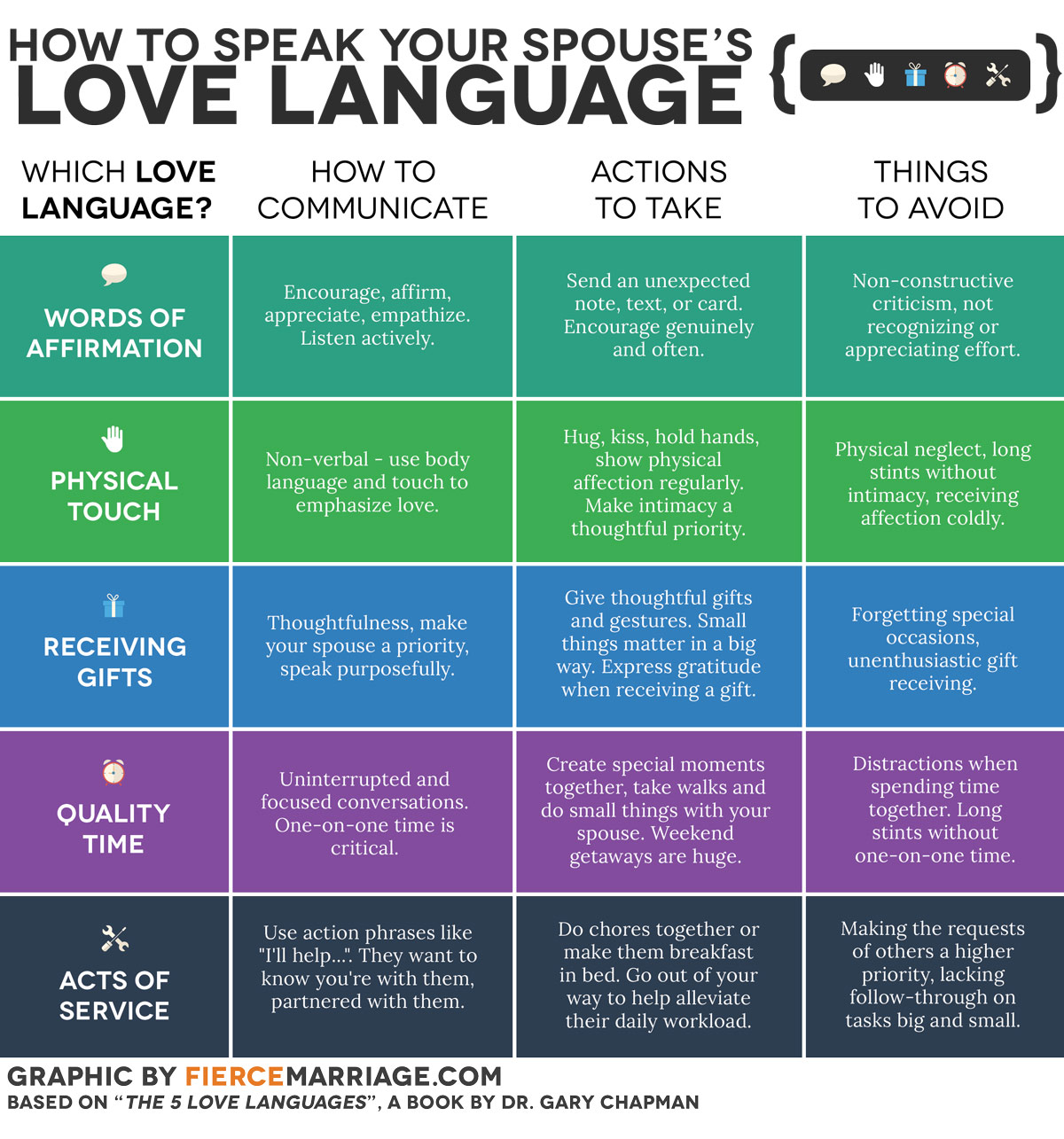
The extent of what I've given someone I was dating is pretty nominal. I once gave a guy a bobby pin for his yarmulke after it blew off multiple times, and I told him to keep it as a gift when he tried to give it back to me at the end of the night. Okay, okay, seriously, I've baked cookies for a few guys. I brought back a specific candy from E"Y that I knew the guy I was dating at the time liked. Despite my primary love language being words of affirmation followed closely by giving/receiving gifts (with others in close succession), I think my 'giving' in relationships pretty much includes cards and letters. I'd venture to say that that's mostly because it's this hard balance when you're dating someone and not sure where it's going and thus what's appropriate. (Oh, and I once wrote about fifteen pages of a twenty page grad school term paper for someone. He manipulated me into that one by saying that everyone's wives do their papers for them...I don't remember exactly how it went down, but I think it was a topic that was easy for me. It better have been, because that relationship ended in flames.)
What I've received from guys, though, is a whole other story. I've gotten really thoughtful care packages for my drive home from a date, flowers, candy platters, notes, love letters, the token Dave and Buster claw (and ticket) prizes, a trip to Miami, and then the "lent" items. One guy gave me his scarf for two weeks while he went on vacation somewhere warm. He just forgot the walking stick...literally, he gave me his scarf and called me his Tamar. (Not really a compliment if you think about it.) A different fellow gave me a blanket he keeps in his car (it was that time of year when summer turns into fall and it was cold on the beach that evening). Later he told me that the person who used it after wanted to know why it smelled feminine.
Jesting aside, offering or accepting a gift, or perhaps it's one's own item of clothing, which is a more intimate gesture, suggests a level of comfortability, familiarity, and likability. Giving (and/or accepting) items means something, the same way complimenting someone, acting familiar in other ways, expressing your interest in someone, etc. implies something. If you're not there, you have to be careful about sending mixed messages and stringing someone along. It's also just not appropriate (at that stage). If you want to date like that, be cognizant of the fact that you're coloring outside the shidduch dating lines, and that's fine, but it comes along with its own set of responsibilities and accountabilities.
Thursday, December 22, 2016
Mixed Messages
Recently my friend sent me a meme she came across on Instagram: "He's the king of mixed signals and she's the queen of getting her hopes up."
How often does it happen that people, guy or girl, transmit mixed messages that leave the other party scratching his/her head? It's sort of par for the course with shidduch dating. People often don't communicate, and there is no real sense of accountability when either one can go back to the shadchan at any time and decide not to continue pursuing the shidduch.
My friend dated a guy who took her out for five hours on their first date, they hit it off apparently, and he showed her that he was into her during the consecutive three dates in which he played her his favorite love songs, gave her flowers, and just in general strung her along. After their fourth date, with no hint whatsoever to the girl herself, he told the shadchan that he didn't want to see her again.
Honestly, if he had the clarity that she wasn't for him, that's great, but if he wasn't sure about her, he needed to tone it down. You might argue that maybe he really did like her and then something came up, but there is a mentchlach way to navigate this. You're dealing with a person who has feelings, not a name on a paper!
Once upon a time, in a situation probably written about multiple time in these pages, I was dating a young man whom I ended up going out with for quite some time. However, in the beginning I was really confused about how I felt and thought about him. On one hand, he was a really good guy and I was sort of intrigued by him, but on the other, there were things that bothered me, I didn't really like him (at that point), and wasn't really sure I wanted to continue. Confident and forward as he was, I remember him asking me towards the end of our third date, "What's up? How are you feeling about this? Do you want to go out again?" He followed that up by saying that he felt like he was getting mixed messages from me, so he had to ask what was going on in my head.
Although I felt put on the spot, I appreciated his open communication. That conversation actually fueled our relationship, the fact that we had this really candid and honest dialogue. I recall answering his question with something to the tune of, "You're right, you're getting mixed messages, because I'm having mixed feelings." Because he asked, I was able to explain that I wanted to follow down the potential that I saw, but I was withholding, because I wasn't really sure where or if things could go and didn't want to lead him on. He reassured me that he's a big boy and could take whatever comes, and he just asked that we talk about what was going on. And so, off we set into the sunset...until our sun set. (Little does he know that this is sort of the model that I now like to base my dating communication on.)
It really all comes down to the communication thing. If you're at the point that you're on a date, ie. meeting a potential marriage partner, you're two adults trying to establish a relationship. You can hide behind whatever guise you'd like, be it using the shadchan as your buffer and/or to do your dirty work, (phony) flattery and flirtation that keeps things from getting real, or simply just not being genuine with the person you're seeing. Yet, this only goes so far until it blows up in your face, or more likely, the face of the person you're dating. Again, you're dealing with a person, not a name on a paper. Yes, people get hurt in situations like these, but you have the power to make the hurt less. Therein lies the difference between hurting and wronging someone. There's a way to do this properly.
How often does it happen that people, guy or girl, transmit mixed messages that leave the other party scratching his/her head? It's sort of par for the course with shidduch dating. People often don't communicate, and there is no real sense of accountability when either one can go back to the shadchan at any time and decide not to continue pursuing the shidduch.
My friend dated a guy who took her out for five hours on their first date, they hit it off apparently, and he showed her that he was into her during the consecutive three dates in which he played her his favorite love songs, gave her flowers, and just in general strung her along. After their fourth date, with no hint whatsoever to the girl herself, he told the shadchan that he didn't want to see her again.
Honestly, if he had the clarity that she wasn't for him, that's great, but if he wasn't sure about her, he needed to tone it down. You might argue that maybe he really did like her and then something came up, but there is a mentchlach way to navigate this. You're dealing with a person who has feelings, not a name on a paper!
Once upon a time, in a situation probably written about multiple time in these pages, I was dating a young man whom I ended up going out with for quite some time. However, in the beginning I was really confused about how I felt and thought about him. On one hand, he was a really good guy and I was sort of intrigued by him, but on the other, there were things that bothered me, I didn't really like him (at that point), and wasn't really sure I wanted to continue. Confident and forward as he was, I remember him asking me towards the end of our third date, "What's up? How are you feeling about this? Do you want to go out again?" He followed that up by saying that he felt like he was getting mixed messages from me, so he had to ask what was going on in my head.
Although I felt put on the spot, I appreciated his open communication. That conversation actually fueled our relationship, the fact that we had this really candid and honest dialogue. I recall answering his question with something to the tune of, "You're right, you're getting mixed messages, because I'm having mixed feelings." Because he asked, I was able to explain that I wanted to follow down the potential that I saw, but I was withholding, because I wasn't really sure where or if things could go and didn't want to lead him on. He reassured me that he's a big boy and could take whatever comes, and he just asked that we talk about what was going on. And so, off we set into the sunset...until our sun set. (Little does he know that this is sort of the model that I now like to base my dating communication on.)
It really all comes down to the communication thing. If you're at the point that you're on a date, ie. meeting a potential marriage partner, you're two adults trying to establish a relationship. You can hide behind whatever guise you'd like, be it using the shadchan as your buffer and/or to do your dirty work, (phony) flattery and flirtation that keeps things from getting real, or simply just not being genuine with the person you're seeing. Yet, this only goes so far until it blows up in your face, or more likely, the face of the person you're dating. Again, you're dealing with a person, not a name on a paper. Yes, people get hurt in situations like these, but you have the power to make the hurt less. Therein lies the difference between hurting and wronging someone. There's a way to do this properly.
Monday, December 5, 2016
Treat Her Like A Lady
Sometimes young men forget that we're not one of the guys. It's in the language they use, the things that they do, and the stories they tell. Sometimes they forget that she's a girl they're dating, not a bro or just someone they're hanging with. What may be acceptable in the dorm or among friends just isn't on a date with a girl you just met.
Some of it is common decency, like don't set up a Skype date and then text her five minutes past the time you arranged and tell her that you're still an hour away from home and can you call her later. Some of it is superficial formalities, but opening the door for a girl means you're taking this shidduch dating thing seriously. It makes her feel taken care of when you walk her to her door. If you must tell her about your friend that manufactures collar stays that each read a day of the week, leave out the comparison to other articles of clothing that might display the day of the week on them.
She doesn't want to be greeted as "Hey, Girl!" We don't live in the 'hood. Be respectful and don't "what's up" her as she walks into the room in which you're engrossed in conversation with her parents. Smiling and acknowledging her, or even a "hello" is okay, but "what's up" rubs us just a little the wrong way. Off color jokes or stories should be avoided too...self explanatory. Certain words or topics, although they may be how you talk with the guys, just aren't becoming with a girl. Don't say "chick" or tell us how quick your shave/shower took you. After you've known her for a bit you can reassess what's fair game, but even then, please treat her like lady, Meghan Trainor style.
Some of it is common decency, like don't set up a Skype date and then text her five minutes past the time you arranged and tell her that you're still an hour away from home and can you call her later. Some of it is superficial formalities, but opening the door for a girl means you're taking this shidduch dating thing seriously. It makes her feel taken care of when you walk her to her door. If you must tell her about your friend that manufactures collar stays that each read a day of the week, leave out the comparison to other articles of clothing that might display the day of the week on them.
She doesn't want to be greeted as "Hey, Girl!" We don't live in the 'hood. Be respectful and don't "what's up" her as she walks into the room in which you're engrossed in conversation with her parents. Smiling and acknowledging her, or even a "hello" is okay, but "what's up" rubs us just a little the wrong way. Off color jokes or stories should be avoided too...self explanatory. Certain words or topics, although they may be how you talk with the guys, just aren't becoming with a girl. Don't say "chick" or tell us how quick your shave/shower took you. After you've known her for a bit you can reassess what's fair game, but even then, please treat her like lady, Meghan Trainor style.
Thursday, December 1, 2016
Presentation and Expectations
How you present yourself when meeting a shadchan or on a date absolutely matters. As much as we hate being judged, we all do it. It's how we make sense of the world. Basing your understanding of someone on your first impressions of him/her hardly seems fair, but if that's all you have to go on, you have to make do.
What sort of impression do you aim for in a job interview? It's all the same sort of thing -- a scenario in which you basically get one shot at representing yourself. Put yourself together nicely and be on your best behavior.
If a shadchan consistently sets you up with a specific type of person, it's very likely that you made that sort of impression on the shadchan. Some people don't make good first impressions, and their "greatness" lies beneath the surface. It can be an issue in these situation types.
For a date, hopefully you may get a chance to make a second and third impression if it really matters. (If you don't get that chance then it probably doesn't really matter, meaning, if someone writes you off that quickly, you probably don't want to be with such a person anyway.) With a shadchan, you may have some leeway, as you can always follow up, and talking to someone after they set you up -- explaining why something wasn't for you -- helps him/her get a better picture as well.
It's always important to be yourself, but if who you are only comes out when you're comfortable (and you're not comfortable meeting new people), you might have to push yourself for an initial meeting. Practice makes perfect, especially when perfect (perfectly yourself) eventually becomes natural.
Wednesday, November 30, 2016
The Platonic Relationship
The million dollar question: Can a guy and a girl "just be friends?"
Is it possible for two people who dated seriously to, following their breakup, foster a platonic relationship?
Theoretically, it should be possible. If they didn't cross any lines while they were dating, didn't share anything together that two good friends wouldn't, it's not like they have to figure out how to relate to each other differently, because they've been doing that on a non-physical level up until this point.
Does the simple fact that the person who "set them up" thought they would make a good couple have to dictate the relationship they must have? The reality that they dated for however long and then broke up sort of shows that their relationship falls in a different category. This is especially true if they broke up because they didn't have shared values (one of the top three on the list of factors of marital success and happiness). Best friends don't need to have all the same values, as they can still have a great friendship even if they don't agree on some core beliefs, particularly if they understand each other and communicate well.
With all that said, truthfully, it's probably not that possible for a guy and a girl to be good friends, lean on each other emotionally and stay within platonic parameters. Even if a couple has the ultimate respect for one another and never cross any lines, the way that man (and woman) was created, there's a basic attraction that complicates things. The fact that at least one of them, if not both, will have to set boundaries, adjust feelings, and pretend that s/he is happy the way things are, means that the relationship cannot be platonic.
Things may be a little different on the girl's end, but unless he's truly not attracted to her, perhaps she's really unattractive or he's gay, this usually does not work. (If the girl is attracted to him even if he's not attracted to her this doesn't work either. It's just more likely for a girl not to see guy like that because girls are less physical.) And, when a girl leans on someone emotionally, she starts to see him differently even if she wasn't previously attracted to him.
Real platonic relationships are extremely rare. You can, however, pretend your relationship is platonic, and sometimes that works well enough.
Is it possible for two people who dated seriously to, following their breakup, foster a platonic relationship?
Theoretically, it should be possible. If they didn't cross any lines while they were dating, didn't share anything together that two good friends wouldn't, it's not like they have to figure out how to relate to each other differently, because they've been doing that on a non-physical level up until this point.
Does the simple fact that the person who "set them up" thought they would make a good couple have to dictate the relationship they must have? The reality that they dated for however long and then broke up sort of shows that their relationship falls in a different category. This is especially true if they broke up because they didn't have shared values (one of the top three on the list of factors of marital success and happiness). Best friends don't need to have all the same values, as they can still have a great friendship even if they don't agree on some core beliefs, particularly if they understand each other and communicate well.
With all that said, truthfully, it's probably not that possible for a guy and a girl to be good friends, lean on each other emotionally and stay within platonic parameters. Even if a couple has the ultimate respect for one another and never cross any lines, the way that man (and woman) was created, there's a basic attraction that complicates things. The fact that at least one of them, if not both, will have to set boundaries, adjust feelings, and pretend that s/he is happy the way things are, means that the relationship cannot be platonic.
Things may be a little different on the girl's end, but unless he's truly not attracted to her, perhaps she's really unattractive or he's gay, this usually does not work. (If the girl is attracted to him even if he's not attracted to her this doesn't work either. It's just more likely for a girl not to see guy like that because girls are less physical.) And, when a girl leans on someone emotionally, she starts to see him differently even if she wasn't previously attracted to him.
Real platonic relationships are extremely rare. You can, however, pretend your relationship is platonic, and sometimes that works well enough.
Monday, November 21, 2016
Protocol and Pretenses
Opening car doors is an act of gallantry, superfluous perhaps, but chivalrous.
Some girls roll their eyes at such gentlemanly acts, frustrated with stereotypical gender roles, or maybe it's the fact that they feel like it's a show. My father still opens doors for my mother, my sisters and me. It's not a front; it's real. The question is, is the fellow on the date genuine or just doing it because someone told him to?
When a guy opens a car door for me, but then he totally botches up a simple request for napkins (which were at his elbow) when I get whipped cream in my hair, it leaves me scratching my head.
Opening doors in general could get questionable, because typically that means that the girl is walking in front of the guy. Although, when he enters first and is walking ten paces ahead, that is not very attractive either. (We can stand to take a lesson from what we learned in Kindergarten: "Just walk beside me...")
Perhaps a better gauge is does he walk the girl to the door, or at least wait until she's gotten inside, when he drops her off? It's about being a man, taking care of your girl. I do appreciate a young man who wants to take care of me.
Offering a drink to a girl on a date is another one. If you were sitting and talking to anyone for a few hours, wouldn't you offer him a drink? It's not rocket science.
While there is so much silly protocol, I do believe that a lot of it exists for a reason. However, I think we can say that, because of the way shidduch dating works, if he doesn't follow "protocol" it probably means something, but if he does, does that just mean someone coached him well or is he really a gentleman?
Some girls roll their eyes at such gentlemanly acts, frustrated with stereotypical gender roles, or maybe it's the fact that they feel like it's a show. My father still opens doors for my mother, my sisters and me. It's not a front; it's real. The question is, is the fellow on the date genuine or just doing it because someone told him to?
When a guy opens a car door for me, but then he totally botches up a simple request for napkins (which were at his elbow) when I get whipped cream in my hair, it leaves me scratching my head.
Opening doors in general could get questionable, because typically that means that the girl is walking in front of the guy. Although, when he enters first and is walking ten paces ahead, that is not very attractive either. (We can stand to take a lesson from what we learned in Kindergarten: "Just walk beside me...")
Perhaps a better gauge is does he walk the girl to the door, or at least wait until she's gotten inside, when he drops her off? It's about being a man, taking care of your girl. I do appreciate a young man who wants to take care of me.
Offering a drink to a girl on a date is another one. If you were sitting and talking to anyone for a few hours, wouldn't you offer him a drink? It's not rocket science.
While there is so much silly protocol, I do believe that a lot of it exists for a reason. However, I think we can say that, because of the way shidduch dating works, if he doesn't follow "protocol" it probably means something, but if he does, does that just mean someone coached him well or is he really a gentleman?
Wednesday, November 9, 2016
Are We All Broken?
Things that define someone as "damaged," ie. hold people back from walking down the aisle, is perhaps a different post. (Whether more complicated/multifaceted people, take longer to get married is another topic as well.) The subject here, are all singles over a certain age "broken," ie. worn down by the system, jaded, and/or hurt?
Recently, a friend of mine was complaining about a guy she was dating's behavior. The shadchan told her that at this stage everyone is going to "have something." Does this mean that every single over a certain age has something wrong with him/her and that is why they're single, or being in shidduchim this long ravages our emotional wellbeing?
In a conversation with a fellow on a date, he suggested that you can assume that everyone over a certain age has had a broken engagement or otherwise serious relationship(s). It's not a blanket truth, but generally singles at a certain stage have had their fair share of heartbreak. But, that's the thing, you don't have to walk around with a broken heart until your intended sweeps you away on a white stallion and applies the salve.
In life it is always up to us to fix ourselves. We cannot blame our problems on what happens to us; we must get up and do something about it. We get hurt all the time, but it's up to us what happens next. We have more control than we often allow ourselves to realize. Maybe he didn't have good role models, but then what did he do about that? Perhaps someone crushed my trust in humanity, but what will I do to rebuild that?
I don't believe that we all have to be broken. Mended perhaps, but not broken. There is a big difference. Maybe I'm not as carefree as I was prior to a heartbreak, but I'm stronger for it. Maybe I'm a little more cautious, because I've learned a lesson. I don't let wounds stay open; I work hard to heal myself. So, no, we don't all have to "have something."
To the point regarding if every single over a certain age has something wrong with him/her and that is why they're single...there is no one statement that defines us all. This type of stereotype is unhelpful and demeaning. It also does not mean that there aren't things wrong with people who are not married. Case by case. At some point I'll explore some things that hold people back from tying the knot.
In the meantime, let's all work on being mended, not broken.
Recently, a friend of mine was complaining about a guy she was dating's behavior. The shadchan told her that at this stage everyone is going to "have something." Does this mean that every single over a certain age has something wrong with him/her and that is why they're single, or being in shidduchim this long ravages our emotional wellbeing?
In a conversation with a fellow on a date, he suggested that you can assume that everyone over a certain age has had a broken engagement or otherwise serious relationship(s). It's not a blanket truth, but generally singles at a certain stage have had their fair share of heartbreak. But, that's the thing, you don't have to walk around with a broken heart until your intended sweeps you away on a white stallion and applies the salve.
In life it is always up to us to fix ourselves. We cannot blame our problems on what happens to us; we must get up and do something about it. We get hurt all the time, but it's up to us what happens next. We have more control than we often allow ourselves to realize. Maybe he didn't have good role models, but then what did he do about that? Perhaps someone crushed my trust in humanity, but what will I do to rebuild that?
I don't believe that we all have to be broken. Mended perhaps, but not broken. There is a big difference. Maybe I'm not as carefree as I was prior to a heartbreak, but I'm stronger for it. Maybe I'm a little more cautious, because I've learned a lesson. I don't let wounds stay open; I work hard to heal myself. So, no, we don't all have to "have something."
To the point regarding if every single over a certain age has something wrong with him/her and that is why they're single...there is no one statement that defines us all. This type of stereotype is unhelpful and demeaning. It also does not mean that there aren't things wrong with people who are not married. Case by case. At some point I'll explore some things that hold people back from tying the knot.
In the meantime, let's all work on being mended, not broken.
Monday, November 7, 2016
Flirting With The Truth
He was telling me that he had a negative impression of a specific characteristic that could be used in a description of me. Almost taking it personally, I replied, "Well, I certainly hope I can change your mind about that." "Oh, you already are," he rejoined.
That was on our second date. Many many dates later, after we'd debriefed and established that we had not liked each other from the get-go, I asked him, "Why did you say that to me if you didn't even like me back then?" "Ah, you know," he responded, "I'm just a flirt."
Flirting essentially sends a message to the recipient of the flirtation that A - "I'm interested in you," and/or B - "I want you to be interested in me." Generally flirting is meant to flatter the person being flirted with. It's a message that sometimes says that the person is interested in a deeper/closer relationship, or, on the flipside, it shows superficial interest, a tease, playful banter, usually for amusement purposes. Flirting can also be driven by ego or esteem need, a reinforcement of self image.
To some people flirting comes automatically. They know what they want, and they're not afraid to express it. It's the extended eye contact, the slow smile or smirk, wink, facial expressions, mimicking body language and communication style, compliments, paying attention to what's important to that person and asking about it...
Flirtation is not always attraction-driven, occasionally it's the unwillingness to be genuine or vulnerable, always staying at superficial, putting on a show, holding the world at arms length. Sometimes it's a form of manipulation, drawing someone in to get what you want.
The art of flirtation lies in its ambiguity. As long as it's not serious, you can emotionally step out at any moment. It can take the edge off of something you meant seriously but wasn't sure how was going to be received. If conveyed teasingly, you can always play it off as a joke.
Flirting is truly an art form: it can be this titillating slow dance, or it can be the ultimate chicken dance.
That was on our second date. Many many dates later, after we'd debriefed and established that we had not liked each other from the get-go, I asked him, "Why did you say that to me if you didn't even like me back then?" "Ah, you know," he responded, "I'm just a flirt."
Flirting essentially sends a message to the recipient of the flirtation that A - "I'm interested in you," and/or B - "I want you to be interested in me." Generally flirting is meant to flatter the person being flirted with. It's a message that sometimes says that the person is interested in a deeper/closer relationship, or, on the flipside, it shows superficial interest, a tease, playful banter, usually for amusement purposes. Flirting can also be driven by ego or esteem need, a reinforcement of self image.
To some people flirting comes automatically. They know what they want, and they're not afraid to express it. It's the extended eye contact, the slow smile or smirk, wink, facial expressions, mimicking body language and communication style, compliments, paying attention to what's important to that person and asking about it...
Flirtation is not always attraction-driven, occasionally it's the unwillingness to be genuine or vulnerable, always staying at superficial, putting on a show, holding the world at arms length. Sometimes it's a form of manipulation, drawing someone in to get what you want.
The art of flirtation lies in its ambiguity. As long as it's not serious, you can emotionally step out at any moment. It can take the edge off of something you meant seriously but wasn't sure how was going to be received. If conveyed teasingly, you can always play it off as a joke.
Flirting is truly an art form: it can be this titillating slow dance, or it can be the ultimate chicken dance.
Thursday, November 3, 2016
Digitally Stalking An Ex
Amit it, we're all probably guilty of this to varying degrees. Whether it's obsessively checking simcha websites to see when someone you dated gets engaged, or it's full on visiting their Facebook page and/or other social media. It's the day and age in which you can still "stay in the loop" about someone even if you don't talk to him/her or have any mutual friends to keep you updated.
What sort or satisfaction do we get from digitally checking up on an ex though? Does it feel like we're still connected to the person in some way if we watch as he updates his social media? Is it that we just can't let go, so we need to know what the person is up to?
In situations in which it was a serious relationship/break up, I think feeding into this obsession is unhealthy and it infringes on healing. It's really hard to move forward when you have reminders about this person in your face/at your fingertips all the time. Perhaps it isn't exactly "out of sight, out of mind," but it definitely does work the opposite way, "in your sight, on your mind."
As hard as it is, when you're trying to get over someone, get rid of all the things that remind you of him/her. Somethings you can't really help because they may be places you go or songs that come on, and you might listen for minute before you change it. After awhile you'll realize that your mind is clearer and you haven't thought about him/her for awhile. Just a little bit stronger...
What sort or satisfaction do we get from digitally checking up on an ex though? Does it feel like we're still connected to the person in some way if we watch as he updates his social media? Is it that we just can't let go, so we need to know what the person is up to?
In situations in which it was a serious relationship/break up, I think feeding into this obsession is unhealthy and it infringes on healing. It's really hard to move forward when you have reminders about this person in your face/at your fingertips all the time. Perhaps it isn't exactly "out of sight, out of mind," but it definitely does work the opposite way, "in your sight, on your mind."
As hard as it is, when you're trying to get over someone, get rid of all the things that remind you of him/her. Somethings you can't really help because they may be places you go or songs that come on, and you might listen for minute before you change it. After awhile you'll realize that your mind is clearer and you haven't thought about him/her for awhile. Just a little bit stronger...
Monday, October 31, 2016
If Life Is A Game
Sometimes I feel like a character in a video game. I'm the protagonist stuck playing an endless loop of whatever level I'm running in, ducking attacks from oncoming obstacles, and I'm high-jumping, sometimes picking up coins and prizes, but other times totally and completely missing them.
Occasionally the path is clear, and I need only my momentum to keep me going. Other times the way is strewn with hurdles, and I must strategize to get over or around them. There are Bowsers that block the way to my goal, and I need to work hard fighting them off to keep them from capturing what is most dear to me.
I think I need some cheat codes.
Occasionally the path is clear, and I need only my momentum to keep me going. Other times the way is strewn with hurdles, and I must strategize to get over or around them. There are Bowsers that block the way to my goal, and I need to work hard fighting them off to keep them from capturing what is most dear to me.
I think I need some cheat codes.
Wednesday, October 26, 2016
I'll Do What I Want If I Choose
Don't tell me what to do. I don't know you; you don't know me. When is it ever okay to tell a stranger what to do?
Simchas Torah night we thought we had it all planned out. Armed with a positive mindset (even minus any alcohol), a group of us decided to make our way into the fray of marrieds and their children dancing away the night.
I was all about realizing that I might be without a husband and/or children to support and encourage in the ways of Torah, as of yet, but being single doesn't define me. And, this holiday isn't about me. It's about Torah, and we each have our own way of being koneh it.
Being single, in fact, gave/gives me a chance for self discovery –– a self awareness that may have otherwise gotten swallowed in a relationship and/or family life. All those people that look at us and feel sorry for us, I pity them. They likely didn't get a chance to develop their individuality. It isn't a contest, but I'm definitely not any worse off because my path is different than theirs, that my journey deviates from their norm.
I digress.
In one shul we visited, the matzav was shvach, and it was all about the social scene. We had more exciting venues on our agenda, and so, after a few minutes, I sought out one friend who was stuck talking to a neighborhood woman. I know this woman didn't know who I was, because seconds before she had asked me my name. For context's sake, her daughter, now married with a handful of kids, was in my high school class. Either way, I turned to my friend and said, "Where's so-and-so and so-and-so? We should go."
The woman looks at me, tsk-tsk's ever so softly, and says, while shaking her head condescendingly, "You don't have to leave."
I'm sorry, why are you telling me what to do?
Admittedly, I don't really know what she meant and what she was thinking when she said that. I am sure that I'm probably making a big deal about nothing, but I honestly am still puzzled why she felt like she should say anything at all. Perhaps it's the cynic in me that just assumes that she felt sorry for us, a group of wandering single girls, no base to tether us. She was welcoming us into her warm arms, her shul, her home base.
That's sweet, but not all those who wander are lost.
Please don't tell me what to do, and don't assume I need your pity.
Simchas Torah night we thought we had it all planned out. Armed with a positive mindset (even minus any alcohol), a group of us decided to make our way into the fray of marrieds and their children dancing away the night.
I was all about realizing that I might be without a husband and/or children to support and encourage in the ways of Torah, as of yet, but being single doesn't define me. And, this holiday isn't about me. It's about Torah, and we each have our own way of being koneh it.
Being single, in fact, gave/gives me a chance for self discovery –– a self awareness that may have otherwise gotten swallowed in a relationship and/or family life. All those people that look at us and feel sorry for us, I pity them. They likely didn't get a chance to develop their individuality. It isn't a contest, but I'm definitely not any worse off because my path is different than theirs, that my journey deviates from their norm.
I digress.
In one shul we visited, the matzav was shvach, and it was all about the social scene. We had more exciting venues on our agenda, and so, after a few minutes, I sought out one friend who was stuck talking to a neighborhood woman. I know this woman didn't know who I was, because seconds before she had asked me my name. For context's sake, her daughter, now married with a handful of kids, was in my high school class. Either way, I turned to my friend and said, "Where's so-and-so and so-and-so? We should go."
The woman looks at me, tsk-tsk's ever so softly, and says, while shaking her head condescendingly, "You don't have to leave."
I'm sorry, why are you telling me what to do?
Admittedly, I don't really know what she meant and what she was thinking when she said that. I am sure that I'm probably making a big deal about nothing, but I honestly am still puzzled why she felt like she should say anything at all. Perhaps it's the cynic in me that just assumes that she felt sorry for us, a group of wandering single girls, no base to tether us. She was welcoming us into her warm arms, her shul, her home base.
That's sweet, but not all those who wander are lost.
Please don't tell me what to do, and don't assume I need your pity.
Thursday, October 20, 2016
If Sukkos is Zman Simchaseinu, Why Does it Hurt so Much?
I guess I should consider myself lucky; all my married siblings live in Israel (and stayed there for yuntif). Plus, the one who used to argue with me about the choices I was making finally stopped. Either he's matured in his old age (not that he's that old, he just happens to have a handful of children now and other things to worry about), it happens to the best of them eventually, or he's feeling sorry for me and doesn't want to rock the boat. I hate pity, but if it helps us get along, I'll take it.
Someone asked me if I'm going to spend Sukkos in Eretz Yisroel. As if I don't have a job here I have a responsibility to and must put in some hours erev yuntif and chh"m. (Plus seems like working those times makes this easier.) But either way, the last time I was in Israel was actually a little painful for me. Don't get me wrong, I'm in love with the Land, and I have some pretty cute kiddies over there I wish I saw more often, but everyone there is...married. If they're Israeli, they're married by 17, and all the Americans, aside from the young'uns, are there with their spouse. I just don't fit in.
As much as they're special and joyous times, at this stage, Yamim Tovim hurt. They're hard. A time that's focused on family (which I obviously do not yet have), a time that everyone packs into a house that wasn't meant for a growing number of couples and their cute, but rambunctious, kids, a time that everything that I do gets disdainfully judged by sheltered and self-righteous relatives, but mostly the fact that I'm still not married gets rubbed in my face, and I try to find my place within all the gaiety.
Just because I'm here without a spouse doesn't negate that I'm an adult, just like every other adult here. That does not mean that I would like to share a room, babysit your children, or do all your errands. Please don't tell me what to do, the young marrieds (who I will add, some of which, are younger than me) don't get that treatment.
It's Shabbos, and the silverware, having just been washed, is in a jumble. Female family member in question looks at me and says, "I can't set the table with this, it's boreir. Learn the halachos." Uh, m'yad, b'yad, oichel m'toch p'soles. I have the same Bais Yaakov education as you do. I didn't forget Hilchos Shabbos just because high school was a long time ago and I went to college after seminary. You learn the halachos. "Okay, well, happy to be your Shabbos goy. I'll do it myself."
You would think that everyone's learned their lesson by now and would have ceased making comments like "Next yuntif you'll be here with your husband." I feel left out and lonely and incomplete, all without your help. Don't be an unwitting Penina; I'm in enough pain as it is.
All I want is to share in the simcha. I want a husband and children to nurture, love and support (emotionally) –– a family of my own –– instead of just watching everyone else's from the sidelines. I want to unpause my life, create a bayis with someone I cherish and respect, bring the Shechinah into our home and to our own Shabbos table. I want a chelek in Torah and to teach my kids love of Hashem and Yiddishkeit. They are all spiritually worthy goals...
Just because I'm here without a spouse doesn't negate that I'm an adult, just like every other adult here. That does not mean that I would like to share a room, babysit your children, or do all your errands. Please don't tell me what to do, the young marrieds (who I will add, some of which, are younger than me) don't get that treatment.
It's Shabbos, and the silverware, having just been washed, is in a jumble. Female family member in question looks at me and says, "I can't set the table with this, it's boreir. Learn the halachos." Uh, m'yad, b'yad, oichel m'toch p'soles. I have the same Bais Yaakov education as you do. I didn't forget Hilchos Shabbos just because high school was a long time ago and I went to college after seminary. You learn the halachos. "Okay, well, happy to be your Shabbos goy. I'll do it myself."
You would think that everyone's learned their lesson by now and would have ceased making comments like "Next yuntif you'll be here with your husband." I feel left out and lonely and incomplete, all without your help. Don't be an unwitting Penina; I'm in enough pain as it is.
All I want is to share in the simcha. I want a husband and children to nurture, love and support (emotionally) –– a family of my own –– instead of just watching everyone else's from the sidelines. I want to unpause my life, create a bayis with someone I cherish and respect, bring the Shechinah into our home and to our own Shabbos table. I want a chelek in Torah and to teach my kids love of Hashem and Yiddishkeit. They are all spiritually worthy goals...
On Simchas Torah as I will stand around with my (long since) married friends watching their husbands and kids whirl around celebrating something that comes from a sense of accomplishment and resulting joy, I wonder will I ever have a chance at celebrating/supporting Torah like that?
Subscribe to:
Posts (Atom)